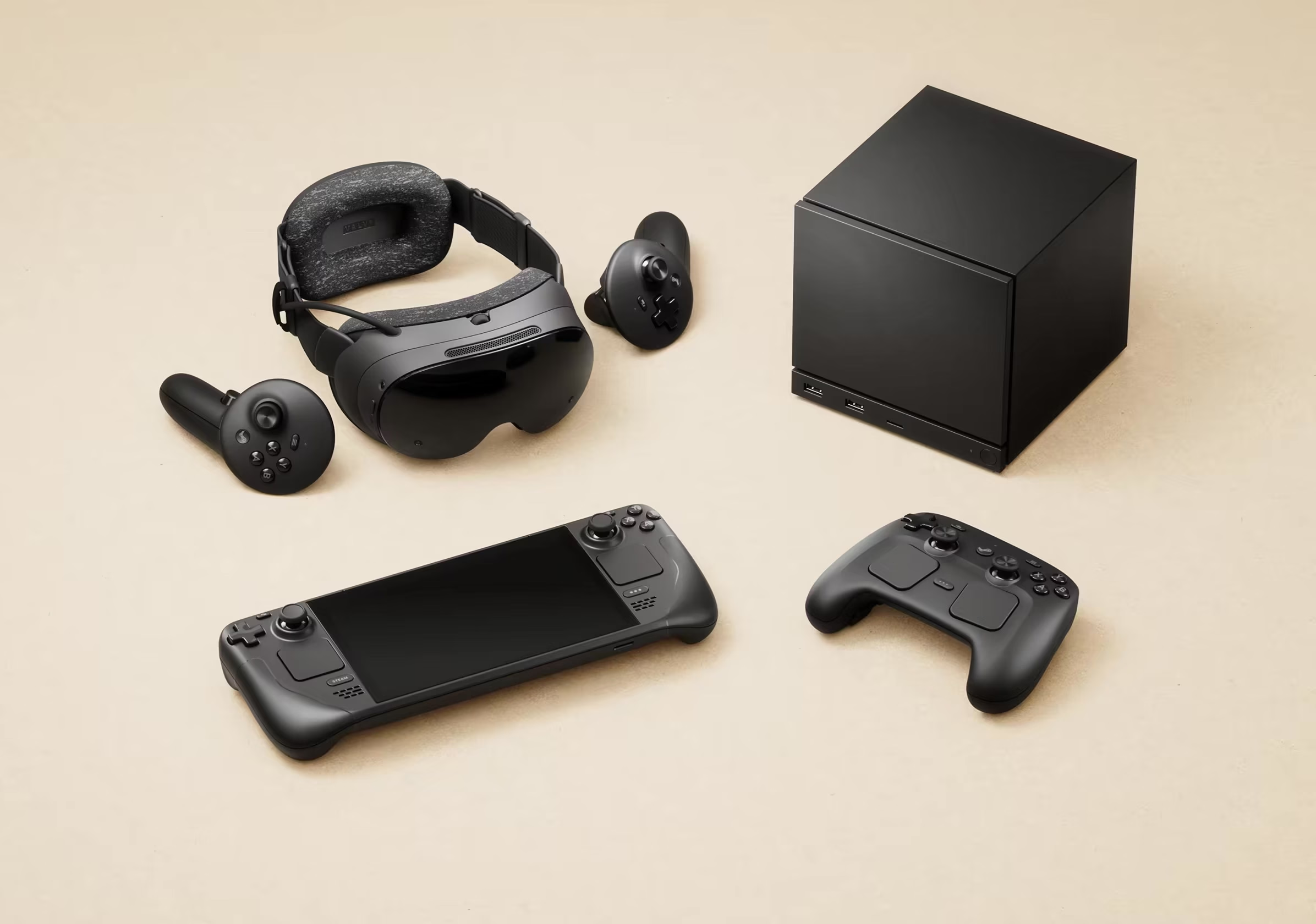
Over a decade ago Valve announced Steam Machines. In the wake of Microsoft releasing Windows 8 and seemingly moving towards a more locked down OS, Valve sought to protect its interests by debuting SteamOS, a Linux-based operating system that would use translation layers to play your favorite Windows games. Not directly manufacturing hardware besides a controller, the idea flopped. Now a few years after debuting the Steam Deck, in a time when the console wars seemed like they were over, Valve is entering the ring with a simple idea: we were right, just at the wrong time.
Now I’m not here to talk too much about what the Steam Deck has done to promote gaming outside of Windows. We have multiple comparisons showing that from both a performance and UX experience that SteamOS or other distros like Bazzite are better than Windows, even with the new Xbox Full Screen Experience that aims to address these. The important part of Valve being right is whether or not they can succeed this time. While we don’t have too much in the way of official sales numbers, the Steam Deck lags behind several consoles. For the new Steam Machine to be successful, they also need to target a different audience than before: home console gamers. While the Steam Deck offered the appeal of PC gaming on the go, the Steam Machine needs to sell itself as a plug-and-play living room experience.
A Shifting Landscape
Valve is entering at the right time for this too, as shifts are underway that could make the Steam Machine an attractive option. Gaming costs are on the rise due to various factors, and new releases such as the PS5 Pro and Switch 2 have price increases of 50% compared to their predecessors. Demand for chips in other sectors and tariffs have also had an effect, but if this trend continues, the next generation consoles could end up closer to the $1,000 mark. Valve hasn’t given specific pricing, but says to expect it to cost around a similarly specced PC, which going off some other articles would put it in the $800 to $1,000 range. This is certainly expensive, but if consoles are heading this direction then the math might change in favor of buying the Steam Machine. The lack of subscriptions on PC for things like online multiplayer mean this new competitor could make up the difference in price within its lifespan if it ends up being more expensive.
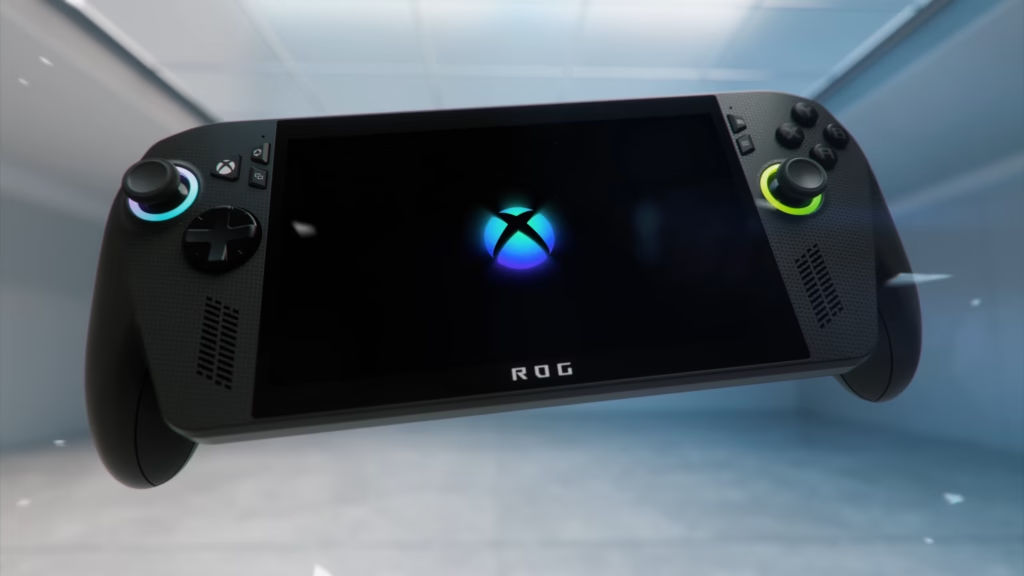
We do need to talk at least a little about Xbox’s plans, because they seem to be going the same direction, though having to play catchup to get there. The Asus ROG Xbox Ally X suffers from terrible naming and notably not playing Xbox games, but it’s very likely the start of bringing Windows and Xbox together and shows some handheld ambitions. The next Xbox console very well could just be a branded semi-custom prebuilt PC like the Steam Machine. Comments from executives do also indicate the Asus handheld’s pricing is in-line with expectations for the next console, even if they aren’t outright stating it. If Xbox is also going to just be a PC, that could pose some trouble for Valve, as Microsoft has a established relationships for distribution as well as partners.
The Challenge
Currently the Steam Deck is only available through Valve (at least in Europe and the US), and only one non-Valve handheld ships with SteamOS as an option. Meanwhile Windows is the default consumer OS, and while Microsoft will likely ship its own Xbox PC they can leverage their position to make Xbox the default experience people have access to, perhaps even shifting some revenue their way where Steam currently dominates. For Valve to prove that they’re right, they will need to change their strategy. Yes, like the Steam Deck the Steam Machine is just a PC, something you own and can use as you want. The appeal of the console experience though will require not just providing a great gaming experience out of the box, it will require reaching consumers who are not already on Steam. I see two paths forward for this, and they are not mutually exclusive.
First, getting the Steam Machine to other retailers. When someone walks into Best Buy or Walmart or any store that sells consoles, the Steam Machine needs to be there right beside the latest from Nintendo and Sony. Demo units and an emphasis on the biggest library that you can carry with you to all devices should offer an attractive package, and with the improved family sharing there’s a lot of appeal to the average consumer. However, this alone may not be enough with Xbox being an established name, and if they continue to release cross-branded devices the Steam Machine may have a dozen competitors making similar claims. While in reviews it may win out, if Valve wants to succeed I think they need to make SteamOS grow beyond their own devices. For every Xbox cross-branded device, a similar “powered by SteamOS” option needs to be available. We’ve already seen the Lenovo Legion Go be priced lower when shipping with SteamOS, and if consoles are getting more expensive even a small price difference could make the decision for many consumers.
The Future of Gaming
Valve has indicated they are open to working with other companies to bring SteamOS to their devices. I am asking for more: an active push to get companies to adopt SteamOS as an option, if not the default option. I think this is already in Valve’s interest, as history may be repeating itself if Xbox and Windows merge. If Windows remains king, the default experience could push people to purchasing from Microsoft rather than Steam. I don’t necessarily have a problem with that on the surface, but Steam’s work to support forums, easy modding, and tools such as Proton and Fex makes me feel better about the cut they take. With Microsoft, it’s hard to feel like their cut is being invested back into improving my experience. The benefit of promoting SteamOS and Linux more broadly is that hopefully developers shift from purely relying on Proton fixes to making a more dedicated effort to support Linux, though I doubt we will see native versions for a while. However, anything that can reduce a single company’s influence is a win, and moving to Linux with or without Proton means an open-source future for the foundation of gaming.